Cooking at home can be one of the most satisfying parts of daily life, yet it often becomes routine or even stressful when inspiration runs low. Finding fresh ideas for better cooking does not require professional training or expensive ingredients. It simply involves curiosity, a willingness to experiment, and a few thoughtful adjustments to how you approach food. By rethinking familiar habits and introducing small creative changes, anyone can transform everyday meals into something more enjoyable and rewarding.
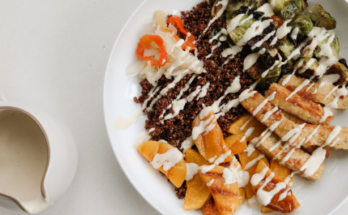
One of the easiest ways to refresh your cooking is to rethink how you use ingredients. Many home cooks rely on a small rotation of meals, which can lead to boredom over time. Instead of repeating the same dishes, try using familiar ingredients in new ways. For example, vegetables that are usually boiled can be roasted to bring out deeper flavors, or herbs that are typically used as garnish can become the centerpiece of a dish. Changing preparation methods can dramatically shift taste and texture without requiring new shopping habits.
Another helpful idea is to focus on balance. Great cooking is not about complexity but about harmony between flavors. Paying attention to contrast can make simple meals more exciting. A dish that combines something savory, something fresh, and a hint of acidity often feels more complete. A squeeze of citrus or a splash of vinegar added at the end of cooking can brighten flavors and make the entire dish feel more vibrant. This small habit can elevate even the simplest recipes.
Exploring different cuisines is another effective way to bring fresh energy into your kitchen. You do not need to follow traditional recipes exactly to benefit from global inspiration. Instead, borrow techniques, spices, or flavor combinations and adapt them to your taste. For example, adding warming spices to a familiar soup or incorporating a new sauce into a simple meal can create something entirely new. This approach encourages creativity without making cooking feel overwhelming.
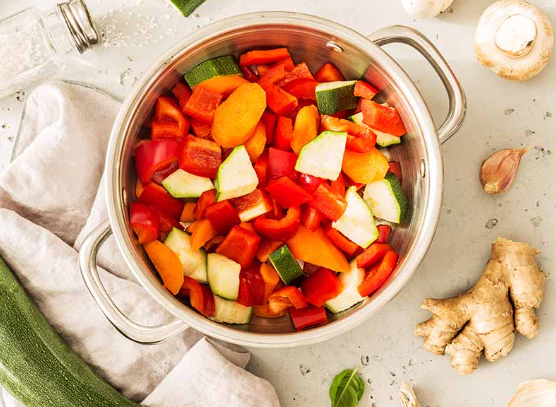
Planning ahead can also improve your cooking experience. While spontaneity has its place, having a loose plan for meals during the week can reduce stress and open up more room for creativity. Preparing ingredients in advance, such as chopping vegetables or marinating proteins, allows you to focus on cooking itself when it is time to make a meal. This can make the process feel smoother and more enjoyable, especially on busy days.
Texture is another often overlooked element that can make a big difference. A dish that includes a variety of textures tends to be more satisfying. Combining something crispy with something soft, or something creamy with something crunchy, can make meals more interesting without adding complexity. Even simple additions like toasted nuts, seeds, or a crisp topping can enhance a dish in surprising ways.
Seasonality plays a key role in keeping cooking fresh and enjoyable. Using ingredients that are in season not only improves flavor but also encourages variety throughout the year. When produce is at its peak, it requires less effort to taste good, which simplifies cooking while improving results. Visiting local markets or paying attention to seasonal availability can inspire new dishes and combinations that you might not otherwise consider.
Another idea is to simplify your approach. Many people believe that better cooking requires more steps or more ingredients, but this is not always true. In fact, focusing on a few high-quality ingredients and treating them well often leads to better outcomes. Allowing ingredients to shine without overcomplicating the process can make cooking more approachable and less time-consuming.
Mindful cooking can also make a difference. Instead of rushing through the process, take a moment to notice how ingredients change as they cook. Pay attention to aromas, colors, and textures. This awareness helps build intuition over time, making it easier to adjust recipes and create new ones without relying heavily on instructions. Cooking becomes less about following rules and more about understanding how food behaves.
Incorporating small experiments into your routine can keep things interesting. Trying one new technique, ingredient, or flavor combination at a time allows you to learn without feeling overwhelmed. Not every experiment will be perfect, but each one contributes to your confidence and skill. Over time, these small steps can lead to noticeable improvement and a greater sense of creativity in the kitchen.
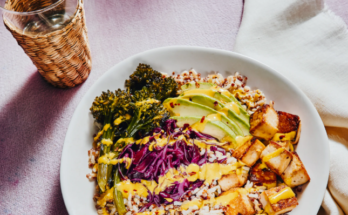
Presentation is another area where small changes can have a big impact. Taking a moment to arrange food thoughtfully on a plate can make meals feel more special, even when they are simple. Using color contrast and neat placement can enhance the overall experience of eating. While presentation does not change the flavor, it can influence how a meal is perceived and enjoyed.
Cooking with others can also bring new ideas and energy into your routine. Sharing the process with family or friends creates opportunities to exchange techniques and preferences. It also makes cooking feel less like a chore and more like a social activity. Even discussing food ideas with others can inspire new approaches and combinations that you might not have considered on your own.
Another useful perspective is to embrace flexibility. Recipes are helpful guides, but they do not need to be followed exactly every time. Adjusting ingredients based on what you have available or what you prefer can lead to more personalized and satisfying meals. This flexibility also reduces food waste and encourages resourcefulness in the kitchen.
Improving cooking skills is a gradual process, and patience is important. Instead of aiming for perfection, focus on progress and enjoyment. Each meal is an opportunity to learn something new, whether it is a better way to prepare an ingredient or a flavor combination that works particularly well. Over time, these experiences build confidence and make cooking feel more natural.
Finally, keeping a sense of curiosity is essential. The most enjoyable cooking experiences often come from a willingness to try something different. Whether it is a new spice, a different cooking method, or an unexpected pairing, curiosity keeps the process engaging and rewarding. By staying open to new ideas and embracing small changes, anyone can discover fresh inspiration in the kitchen.
Better cooking does not require dramatic changes or advanced techniques. It grows from simple, thoughtful adjustments and a positive approach to experimentation. By focusing on balance, variety, and creativity, everyday meals can become more enjoyable and satisfying. With time and practice, these fresh ideas can transform cooking from a routine task into a meaningful and enjoyable part of daily life.