Modern life moves quickly, and for many people, finding time to prepare nourishing meals can feel like a challenge. Between work, family responsibilities, and personal commitments, cooking often gets pushed aside in favor of convenience foods. However, eating well does not have to be complicated or time-consuming. With a thoughtful approach and a few practical habits, it is entirely possible to prepare wholesome meals even on the busiest days.
One of the most effective ways to simplify cooking is to plan ahead. Taking a short amount of time at the beginning of the week to think about meals can save hours later. This does not require rigid scheduling or elaborate recipes. Instead, focus on a flexible plan that includes a few reliable dishes and ingredients you enjoy. When you know what you are going to cook, you reduce decision fatigue and make grocery shopping more efficient. Planning also helps minimize food waste, since you are more likely to use what you buy.
Another helpful strategy is to keep your kitchen stocked with versatile, nutritious staples. Ingredients such as rice, whole grains, beans, lentils, eggs, frozen vegetables, and simple proteins like chicken or tofu can form the basis of many meals. Having these items on hand means you can quickly assemble a balanced dish without needing a special trip to the store. Frozen fruits and vegetables are particularly useful because they are pre-washed, pre-cut, and last longer, making them ideal for busy schedules.
Batch cooking is a powerful tool for saving time while maintaining healthy eating habits. Preparing larger quantities of food when you do have time allows you to enjoy multiple meals throughout the week with minimal effort. For example, cooking a pot of soup, stew, or grains can provide the foundation for several lunches or dinners. These dishes often taste even better the next day, as flavors have more time to develop. Storing portions in the refrigerator or freezer ensures you always have something wholesome ready to eat.
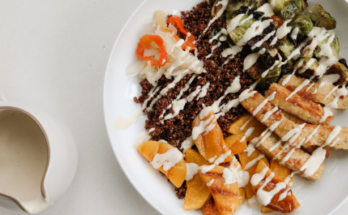
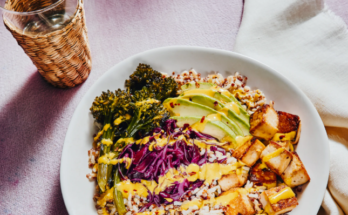
Keeping recipes simple is another key to consistent home cooking. There is no need to attempt complex dishes on a regular basis. Meals with a short list of ingredients and straightforward preparation methods are often just as satisfying. A combination of protein, vegetables, and a grain can create a balanced plate without requiring advanced skills. For instance, a stir-fry, a hearty salad, or a one-pan roasted dish can be prepared quickly and customized based on what you have available.
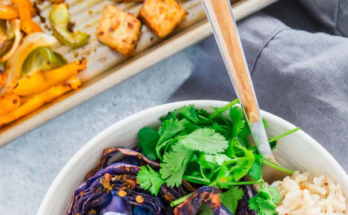
Time-saving techniques can make a significant difference in the kitchen. Prepping ingredients in advance, such as washing and cutting vegetables or marinating proteins, allows you to cook faster when it is time to eat. Using tools like slow cookers, pressure cookers, or ovens for hands-off cooking can also free up your time for other tasks. These methods allow food to cook gradually without constant attention, making them ideal for busy individuals.
It is also helpful to embrace flexibility and creativity. Not every meal needs to follow a strict recipe. Learning to combine ingredients intuitively can make cooking feel less like a chore and more like a natural part of your routine. If you have leftover vegetables, grains, or proteins, you can turn them into a new dish such as a wrap, a bowl, or a soup. This approach reduces waste and encourages variety in your meals.
Making cooking an enjoyable experience can improve consistency. Even small changes, such as playing music, cooking with family members, or setting aside a specific time to prepare meals, can make the process feel more rewarding. When cooking becomes something you look forward to rather than a task to rush through, it becomes easier to maintain over time.
Portion awareness is another aspect of wholesome cooking that can benefit busy people. Preparing appropriate amounts helps ensure you have enough food without feeling overwhelmed by leftovers. At the same time, intentional leftovers can be useful when planned properly. Cooking slightly extra can provide a ready-made meal for the next day, reducing the need to cook from scratch again.
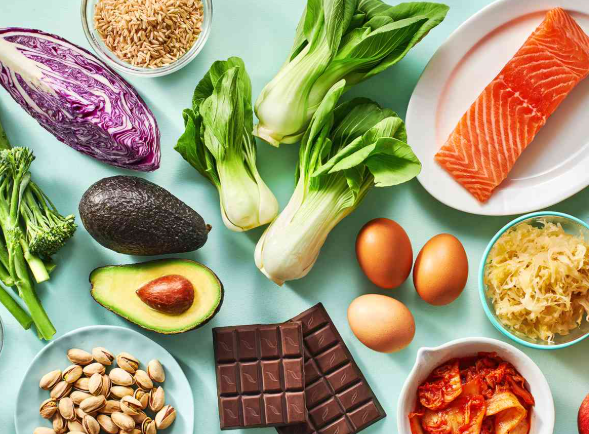
Nutrition does not have to be complicated. Focusing on whole, minimally processed foods is a simple way to support overall well-being. Including a variety of colors on your plate often ensures a range of nutrients, while balancing carbohydrates, proteins, and healthy fats can help keep you satisfied throughout the day. Drinking enough water and paying attention to hunger cues are also important components of a balanced approach to eating.
For those with extremely limited time, even small efforts can make a meaningful difference. Preparing a quick breakfast, packing a simple lunch, or cooking just a few meals at home each week can contribute to healthier habits. Progress does not require perfection. Consistency, even in small steps, is what leads to lasting change.
It is important to recognize that everyone’s schedule and circumstances are different. What works for one person may not work for another, and that is perfectly fine. The goal is to find a rhythm that fits your lifestyle while supporting your well-being. By focusing on practical strategies such as planning, simplifying, and using time-saving methods, cooking can become a manageable and rewarding part of daily life.
Wholesome cooking is not about strict rules or spending hours in the kitchen. It is about making thoughtful choices that fit into your routine and nourish your body. With a bit of preparation and a flexible mindset, even the busiest individuals can enjoy meals that are both convenient and satisfying.