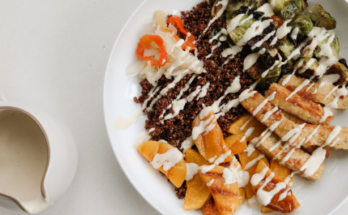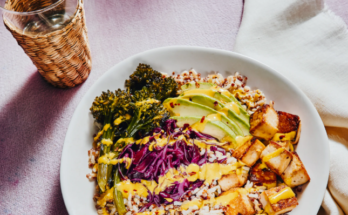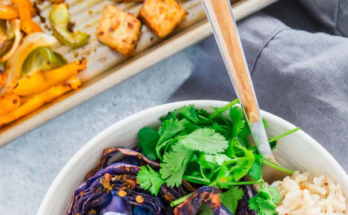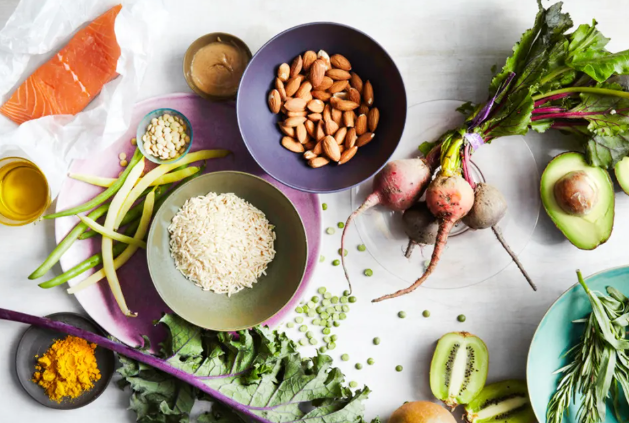
Healthy cooking does not have to be complicated, time-consuming, or restrictive. In fact, some of the most effective cooking techniques are designed to save time while preserving nutrients and enhancing flavor. By adopting a few smart strategies in the kitchen, it becomes easier to prepare meals that support well-being without adding stress to a busy schedule. The key lies in choosing methods that maximize efficiency, reduce unnecessary steps, and make use of simple, wholesome ingredients.
One of the most practical approaches to healthy cooking is batch preparation. Instead of cooking from scratch for every meal, preparing larger portions in advance allows you to divide food into multiple servings for later use. Cooking staples such as grains, proteins, and vegetables in bulk creates a flexible foundation for different meals throughout the week. For example, a large pot of brown rice or quinoa can be paired with roasted vegetables one day and lean protein the next. This approach not only saves time but also reduces the temptation to rely on less nutritious convenience foods.
Another time-saving technique is one-pan cooking. By combining protein, vegetables, and seasonings on a single tray or in one pot, you minimize both preparation and cleanup. Roasting is particularly effective because it brings out natural flavors without requiring excessive oil or complicated steps. A simple combination of chopped vegetables, herbs, and a source of protein can be placed in the oven and left to cook while you focus on other tasks. This method supports balanced meals while keeping the cooking process straightforward.
Steaming is another efficient method that preserves nutrients and requires minimal supervision. Unlike boiling, which can cause vitamins to leach into the water, steaming helps retain the natural goodness of vegetables, fish, and even certain grains. It also eliminates the need for added fats, making it a reliable option for those aiming to maintain a lighter diet. With the help of a steamer basket or electric steamer, meals can be prepared quickly with very little effort.
Stir-frying offers a fast and flavorful way to cook meals while maintaining nutritional value. Using a small amount of oil and high heat, ingredients cook quickly, which helps preserve texture and color. The key to successful stir-frying is preparation. By chopping all ingredients in advance and keeping them ready, the cooking process becomes smooth and efficient. Lean proteins, fresh vegetables, and simple sauces can be combined in minutes, resulting in a balanced and satisfying dish.
Slow cooking, despite its name, can actually save significant time in the long run. By placing ingredients into a slow cooker in the morning, you allow the meal to cook gradually throughout the day without requiring attention. This method is ideal for soups, stews, and lean cuts of meat, which become tender and flavorful over time. It reduces the need for constant monitoring and allows you to return to a ready-to-eat meal at the end of the day.
Another valuable technique is using pre-prepped ingredients wisely. While whole, fresh foods are ideal, there is no disadvantage in using cleaned, cut, or frozen produce when time is limited. Frozen vegetables, for instance, are often picked at peak freshness and retain their nutrients. They can be quickly added to soups, stir-fries, or side dishes without the need for washing or chopping. This approach helps maintain a healthy diet even on the busiest days.
Grilling is also a time-efficient and health-conscious method. It allows excess fat to drip away from food while enhancing flavor through natural caramelization. Whether using an outdoor grill or a stovetop grill pan, this technique works well for vegetables, fish, and lean meats. With minimal seasoning, ingredients develop a rich taste that reduces the need for heavy sauces or additives.
Pressure cooking has gained popularity for its ability to significantly reduce cooking time. Meals that typically take hours, such as beans or stews, can be prepared in a fraction of the time using a pressure cooker. This method also helps retain nutrients by limiting exposure to high heat over long periods. Modern pressure cookers are designed with safety and convenience in mind, making them a practical addition to any kitchen.
Organizing your kitchen and planning meals in advance further enhances efficiency. Keeping commonly used ingredients accessible and maintaining a clean workspace reduces the time spent searching for tools or supplies. Meal planning helps ensure that you have all necessary ingredients on hand, preventing last-minute decisions that may lead to less balanced choices. Even setting aside a short time each week to plan meals can make a noticeable difference.
Healthy cooking is also about simplifying recipes. Dishes with fewer ingredients are often quicker to prepare and easier to manage. Focusing on natural flavors rather than complex combinations allows you to create meals that are both nutritious and enjoyable. Herbs, spices, and simple marinades can elevate dishes without adding unnecessary steps.
It is equally important to adopt cooking habits that reduce waste. Using leftover ingredients creatively not only saves time but also supports a more sustainable kitchen. Cooked vegetables can be added to omelets or grain bowls, while leftover proteins can be repurposed into salads or wraps. This approach ensures that every ingredient is used efficiently.
Hydration and mindful seasoning also play a role in healthy cooking. Instead of relying heavily on salt or processed sauces, using natural flavor enhancers such as citrus, garlic, and fresh herbs can improve taste while supporting overall health. These ingredients require minimal preparation and can be easily incorporated into everyday meals.
Incorporating these techniques into your routine does not require drastic changes. Starting with one or two methods and gradually building habits can make the transition more manageable. Over time, these practices become second nature, making healthy cooking a seamless part of daily life.
Ultimately, healthy cooking techniques that save time are about working smarter rather than harder. By choosing efficient methods, preparing ingredients in advance, and simplifying your approach, it is possible to enjoy nutritious meals without feeling overwhelmed. With consistency and a bit of planning, the kitchen can become a place of ease, creativity, and well-being.