Smart kitchen techniques can transform everyday cooking into a smoother, more enjoyable experience while helping you create meals that taste better and feel more satisfying. Whether you are new to cooking or already comfortable in the kitchen, a few thoughtful adjustments can make a noticeable difference in both efficiency and flavor. By focusing on preparation, organization, and simple skill-building, anyone can elevate their home cooking without needing expensive tools or complicated recipes.
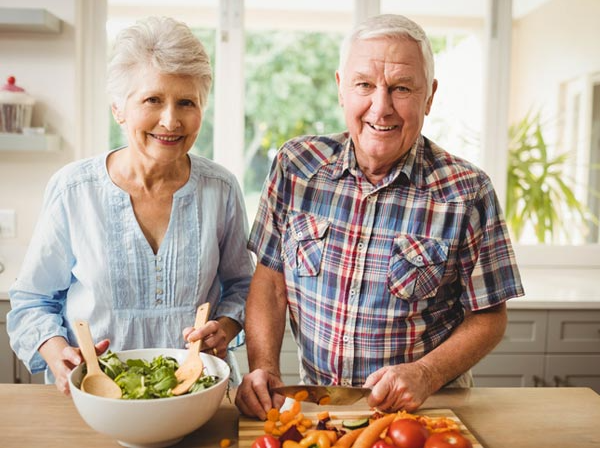
One of the most effective techniques begins before any heat is applied. Preparing ingredients in advance, often called mise en place, allows you to move through recipes with confidence and less stress. Washing, cutting, and measuring everything ahead of time keeps your attention on cooking rather than scrambling to catch up. This approach also reduces the chance of mistakes, such as overcooking or forgetting an ingredient. When your workspace is organized and your ingredients are ready, the entire process becomes more relaxed and enjoyable.
Another valuable habit is learning how to control heat properly. Many home cooks use heat that is too high, which can lead to uneven cooking or burnt surfaces. Understanding when to use low, medium, or high heat is essential. For example, gentle heat is ideal for simmering sauces or cooking delicate foods, while higher heat works best for searing meats to develop flavor. Paying attention to how your stove behaves and adjusting accordingly can significantly improve the outcome of your meals.
Knife skills also play a central role in smarter cooking. Using a sharp knife not only makes cutting easier but also safer. Consistent cutting techniques ensure that ingredients cook evenly, which improves both texture and flavor. Taking a little time to practice basic cuts, such as slicing, dicing, and chopping, can speed up your workflow and give your dishes a more professional feel. A well-maintained knife becomes one of the most valuable tools in your kitchen.
Seasoning is another area where small improvements lead to big results. Instead of adding salt and spices only at the end, seasoning gradually throughout the cooking process helps build deeper flavor. Tasting as you go allows you to adjust and balance flavors more effectively. Ingredients like herbs, citrus, and natural aromatics can enhance dishes without overwhelming them. The goal is to bring out the natural qualities of your ingredients rather than masking them.
Time management in the kitchen is often overlooked but incredibly important. Cooking multiple components at once can feel overwhelming, but with a bit of planning, it becomes manageable. Start with items that take the longest to cook and finish with those that require less time. This sequencing ensures that everything is ready at the same time and served at its best. With practice, you will develop a natural rhythm that makes cooking feel effortless.
Using the right cookware is another smart technique that supports better results. Different materials conduct heat differently, so choosing the appropriate pan for each task matters. For example, heavier pans retain heat well and are great for even cooking, while lighter pans may be better for quick tasks. Keeping your cookware clean and in good condition also contributes to consistent performance.
Storage and ingredient care can also improve your cooking outcomes. Fresh ingredients tend to deliver better flavor, so storing them properly extends their quality and usability. Keeping herbs hydrated, storing vegetables correctly, and understanding expiration timelines all contribute to better meals. Reducing food waste not only saves money but also encourages more thoughtful cooking habits.
Learning to adapt recipes is another powerful technique. Recipes are helpful guides, but they do not need to be followed exactly every time. Adjusting ingredients based on what you have available or your personal preferences allows for creativity and flexibility. Over time, this builds confidence and helps you understand how flavors work together. Cooking becomes less about strict instructions and more about personal expression.
Cleaning as you go is a simple habit that makes a big difference. A cluttered workspace can quickly become overwhelming, especially during longer cooking sessions. By washing utensils and wiping surfaces along the way, you maintain a clear and organized environment. This not only saves time at the end but also keeps your focus on the cooking process.
Finally, patience is an essential ingredient in any kitchen. Good cooking often takes time, whether it is allowing flavors to develop, letting dough rest, or waiting for the perfect sear. Rushing can compromise both taste and texture. Embracing the process and giving each step the attention it deserves leads to better results and a more enjoyable experience.
Smart kitchen techniques are not about perfection or complexity. They are about making thoughtful choices that improve efficiency, flavor, and enjoyment. By focusing on preparation, heat control, knife skills, seasoning, and organization, you can create meals that feel both satisfying and rewarding. Over time, these habits become second nature, turning everyday cooking into a skill that continues to grow and inspire.