Cooking at home is one of the most effective ways to take control of your health while still enjoying delicious, satisfying meals. With a few thoughtful adjustments, you can transform everyday dishes into nourishing options that support your well-being without sacrificing flavor. The goal is not perfection or strict limitation, but rather making smarter, more balanced choices that fit naturally into your lifestyle.
One of the easiest ways to start improving your cooking is by focusing on ingredient quality. Fresh, whole foods provide more nutrients and often taste better than heavily processed alternatives. Choosing fresh vegetables, fruits, whole grains, lean proteins, and healthy fats lays a strong foundation for better meals. When possible, opt for seasonal produce, which tends to be more flavorful and affordable. Even small upgrades, such as swapping refined grains for whole grains or choosing fresh herbs instead of packaged sauces, can make a noticeable difference.
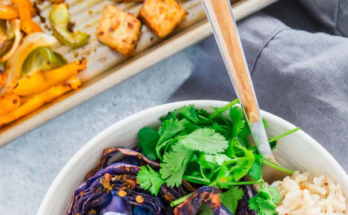
Another important aspect of healthier cooking is how you prepare your food. Cooking methods can greatly affect both nutritional value and overall calorie content. Baking, steaming, grilling, and sautéing with minimal oil are generally better options than deep frying. These techniques help retain nutrients while keeping meals lighter. For example, roasting vegetables enhances their natural sweetness without the need for excessive added fats, while steaming preserves vitamins that might otherwise be lost during boiling.
Reducing added sugars and excessive salt is also key to healthier cooking. Many packaged ingredients and recipes rely heavily on these for flavor, but there are better alternatives. Natural sweetness from fruits, spices like cinnamon or vanilla, and small amounts of honey can replace refined sugar in many dishes. Similarly, herbs, spices, garlic, citrus, and vinegar can enhance flavor without relying on too much salt. Over time, your taste preferences can adapt, allowing you to enjoy the natural flavors of your ingredients more fully.
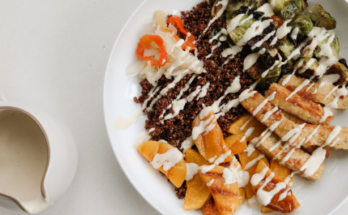
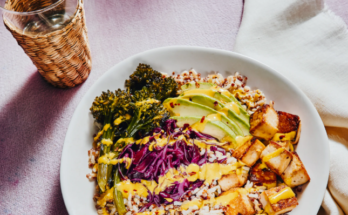
Portion awareness plays an important role as well. Even healthy meals can become less beneficial when portions are too large. Cooking at home gives you the advantage of controlling serving sizes and balancing your plate. A helpful approach is to fill half your plate with vegetables, one quarter with lean protein, and one quarter with whole grains. This balance supports energy levels and helps maintain a healthy relationship with food without the need for strict dieting.
Healthy fats deserve special attention because they are often misunderstood. While it is important to limit trans fats and excessive saturated fats, incorporating sources of healthy fats can be beneficial. Ingredients such as olive oil, nuts, seeds, and avocados can add richness and depth to your meals while supporting heart health. The key is moderation and choosing the right types of fats rather than eliminating them entirely.
Planning ahead can make a big difference in maintaining healthier cooking habits. When you have a plan, you are less likely to rely on convenience foods that may not align with your goals. Preparing meals in advance, even in simple ways such as chopping vegetables or marinating proteins, can save time and reduce stress during busy days. Keeping a few healthy staples on hand also ensures you can quickly put together a balanced meal without much effort.
It is also helpful to stay mindful of how food makes you feel. Healthy cooking is not only about nutrients but also about enjoyment and satisfaction. Meals that are both nourishing and enjoyable are more likely to become part of your routine. Pay attention to how different foods affect your energy, mood, and overall comfort. This awareness can guide you toward choices that truly support your well-being.
Experimenting in the kitchen can keep healthy cooking exciting rather than restrictive. Trying new recipes, ingredients, or cooking techniques can open up a wide range of possibilities. You might discover new favorite dishes that align perfectly with your goals. Cooking should feel like an opportunity for creativity rather than a set of limitations.
Hydration is another factor that often complements healthier eating. While it is not part of cooking itself, what you drink alongside your meals matters. Choosing water, herbal teas, or other low-sugar beverages can support overall health and help balance your diet. Being mindful of beverages can prevent unnecessary added sugars and calories.
It is important to approach healthier cooking with a balanced mindset. There is no need to eliminate all indulgences or favorite comfort foods. Instead, consider making gradual improvements or lighter versions of the dishes you enjoy. For example, you might reduce the amount of sugar in a dessert recipe or incorporate more vegetables into a classic dish. This approach helps maintain a sense of enjoyment and sustainability.
Consistency is more valuable than perfection. Small, steady changes tend to be more effective than drastic shifts that are difficult to maintain. Over time, these small improvements can add up to significant benefits for your overall health. Building habits that fit your lifestyle ensures that your efforts are both realistic and lasting.
Cooking with others can also make the process more enjoyable and motivating. Sharing meals with family or friends creates a positive environment and encourages healthier habits. It can also be a chance to exchange ideas, learn new techniques, and inspire one another to make better choices.
Reading ingredient labels can further support healthier cooking. Understanding what goes into your food allows you to make more informed decisions. Look for simple ingredient lists and be cautious of products with excessive additives, sugars, or unhealthy fats. This awareness helps you maintain greater control over what you are consuming.
Incorporating more plant-based meals can be another effective strategy. You do not need to follow a strict diet to benefit from this approach. Simply adding more vegetables, legumes, and plant-based proteins into your meals can improve nutritional balance and variety. These foods are often rich in fiber, vitamins, and minerals that support overall health.
Healthy cooking is ultimately about creating a sustainable way of eating that supports your well-being while still allowing you to enjoy food. By focusing on fresh ingredients, mindful preparation, balanced portions, and gradual improvements, you can transform your cooking habits in a way that feels natural and rewarding.
With time and practice, these healthier choices can become second nature. The kitchen can become a place where you not only prepare meals but also invest in your long-term health. Making thoughtful decisions today can lead to lasting benefits, helping you feel more energized, balanced, and confident in your everyday life.