Cooking with more nutrition doesn’t require a complete overhaul of your kitchen or complicated recipes. Small, thoughtful changes can make everyday meals healthier while still keeping them enjoyable and satisfying. By focusing on fresh ingredients, simple techniques, and balanced combinations, anyone can create dishes that support well-being without feeling restrictive or overwhelming.
One of the easiest ways to improve nutrition is by choosing whole foods more often. Whole foods such as fresh vegetables, fruits, whole grains, legumes, nuts, and lean proteins provide essential nutrients without unnecessary additives. Instead of relying heavily on processed items, try building meals around ingredients that are as close to their natural state as possible. For example, swapping white rice for brown rice or quinoa adds fiber and minerals, while choosing fresh fruit instead of sugary snacks naturally boosts vitamin intake.
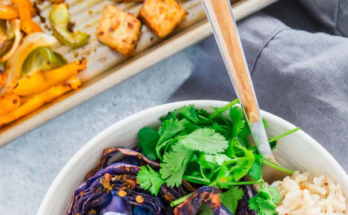
Cooking methods also play a major role in preserving nutrients. Some techniques can reduce the nutritional value of food, while others help retain it. Steaming vegetables is a great option because it keeps vitamins intact better than boiling. Roasting is another flavorful method that enhances natural sweetness without needing excessive oil or sugar. Light sautéing with healthy fats like olive oil can add richness while still maintaining the integrity of the ingredients. By being mindful of how food is prepared, it becomes easier to keep meals both nutritious and delicious.
Adding more vegetables to everyday dishes is a simple and effective habit. Vegetables are packed with vitamins, minerals, and fiber, yet they can be easily incorporated without changing the overall structure of a meal. For instance, leafy greens can be stirred into soups, stews, or pasta dishes. Finely chopped vegetables can blend into sauces, casseroles, or grain bowls. Even breakfast can benefit from added vegetables, such as spinach in omelets or zucchini in baked goods. These small additions gradually increase nutrient intake without requiring drastic changes.
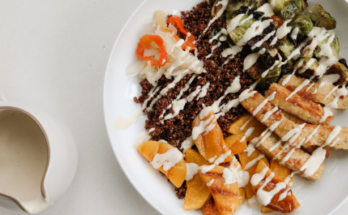
Balancing meals is another key step toward better nutrition. A well-rounded plate typically includes a source of protein, healthy fats, and complex carbohydrates. Protein supports muscle health and helps maintain fullness, while healthy fats contribute to heart health and satiety. Complex carbohydrates provide sustained energy and fiber. Combining these elements helps stabilize energy levels and prevents sudden hunger spikes. For example, pairing grilled chicken with roasted vegetables and whole grains creates a satisfying and balanced meal.
Using herbs and spices instead of relying heavily on salt or sugar can enhance flavor while supporting health goals. Fresh herbs like basil, cilantro, and parsley add brightness to dishes, while spices such as turmeric, cumin, and paprika bring depth and warmth. These ingredients not only improve taste but also contain beneficial compounds that may support overall wellness. Experimenting with different flavor combinations can make meals more exciting and reduce the need for less nutritious additives.
Planning ahead can make healthy cooking more consistent and less stressful. Preparing ingredients in advance, such as washing and chopping vegetables or cooking grains in batches, saves time during busy days. Having nutritious components ready to use encourages better choices and reduces reliance on convenience foods that may be lower in nutritional value. Even simple preparation steps can make a noticeable difference in maintaining a healthy routine.
Portion awareness is another helpful approach. Eating nutritious food is important, but paying attention to portion sizes ensures balance. Serving meals on appropriately sized plates and taking time to eat slowly can help with recognizing fullness cues. This mindful approach supports a healthier relationship with food and prevents overeating, even when meals are wholesome.
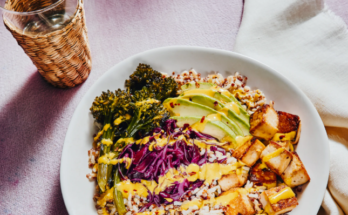
Incorporating a variety of colors into meals is a practical way to ensure a wide range of nutrients. Different colored fruits and vegetables contain different vitamins and antioxidants, so a colorful plate often indicates a more diverse nutrient profile. For example, orange vegetables like carrots provide beta-carotene, while dark leafy greens offer iron and calcium. Including a mix of colors not only improves nutrition but also makes meals visually appealing and more enjoyable.
Hydration is often overlooked but plays a vital role in overall health. While not strictly part of cooking, pairing meals with adequate water intake supports digestion and nutrient absorption. Choosing water or other low-sugar beverages instead of sugary drinks can significantly reduce unnecessary calorie consumption and improve overall well-being.
Another simple strategy is to make gradual substitutions rather than drastic changes. Replacing refined ingredients with more nutritious alternatives can be done step by step. Whole grain bread can replace white bread, plain yogurt can substitute for sweetened versions, and homemade dressings can take the place of store-bought options with added sugars or preservatives. These adjustments are easier to maintain over time and contribute to lasting habits.
Cooking at home more frequently allows greater control over ingredients and preparation methods. When meals are prepared at home, it becomes easier to manage the amount of salt, sugar, and fat used. It also provides the opportunity to experiment with healthier ingredients and techniques. Even simple home-cooked meals can be more nutritious than many prepackaged or restaurant options.
Listening to personal preferences is important when building a sustainable approach to nutritious cooking. Foods that are enjoyable are more likely to become part of a regular routine. Trying new recipes and ingredients can expand options, but it is equally valuable to adapt familiar dishes in healthier ways. This balance between comfort and improvement helps maintain consistency without feeling restrictive.
Finally, focusing on consistency rather than perfection creates a more positive and realistic approach. Not every meal needs to be perfectly balanced, and occasional indulgences are part of a normal lifestyle. What matters most is the overall pattern of choices over time. By making small, consistent improvements, it becomes easier to maintain a nutritious way of cooking that supports long-term health.
Cooking with more nutrition is ultimately about making thoughtful decisions that fit naturally into daily life. By choosing whole foods, using simple cooking methods, adding more vegetables, balancing meals, and planning ahead, anyone can create meals that nourish the body while still being enjoyable. These easy steps build a strong foundation for healthier eating without adding unnecessary complexity, making it possible to sustain these habits for years to come.