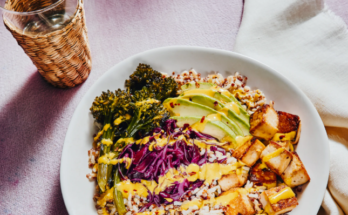
Eating healthier does not require a complete lifestyle overhaul or complicated meal plans. In fact, some of the most effective improvements come from small, consistent adjustments that fit naturally into your daily routine. By focusing on balance, variety, and mindful choices, you can gradually transform your meals into something that supports your well-being without feeling restrictive or overwhelming.
One of the easiest ways to begin is by adding more whole foods to your plate. Whole foods such as fresh vegetables, fruits, whole grains, nuts, and seeds are packed with nutrients that your body needs to function properly. Instead of thinking about what to remove from your diet, try focusing on what you can add. For example, including an extra serving of vegetables in your lunch or dinner can boost fiber intake and help you feel fuller for longer. Over time, these additions can naturally replace less nutritious options without requiring strict rules.
Another simple change is to pay attention to how your meals are prepared. Cooking methods can significantly impact the nutritional value of food. Grilling, steaming, baking, or stir-frying with minimal oil are often better alternatives to deep frying. These methods help retain nutrients while reducing unnecessary fats. Even small tweaks, such as using herbs and spices instead of heavy sauces, can enhance flavor while keeping meals lighter and more wholesome.
Portion awareness also plays a key role in healthier eating. It is not always about eliminating certain foods but rather enjoying them in moderation. Listening to your body’s hunger and fullness signals can help you avoid overeating. Eating slowly and taking the time to enjoy each bite allows your body to recognize when it has had enough. This approach encourages a healthier relationship with food and reduces the likelihood of consuming excess calories.
Hydration is another important factor that is often overlooked. Drinking enough water throughout the day supports digestion, energy levels, and overall health. Sometimes, feelings of hunger can actually be a sign of dehydration. Replacing sugary drinks with water, herbal teas, or natural fruit-infused water can make a noticeable difference in your daily intake of added sugars.
Swapping refined ingredients for whole alternatives is another effective strategy. For instance, choosing whole grain bread instead of white bread or brown rice instead of white rice can increase fiber and nutrient intake. These swaps are simple but powerful, as they help stabilize energy levels and keep you satisfied for longer periods. Over time, your taste preferences may shift, making these healthier options more enjoyable.
Planning your meals ahead of time can also make a big difference. When you have a general idea of what you will eat, you are less likely to rely on convenient but less nutritious choices. Preparing ingredients in advance, such as washing and cutting vegetables or cooking grains, can save time and make it easier to assemble balanced meals during busy days. This approach reduces stress and helps you stay consistent with your goals.
Incorporating a variety of foods is essential for ensuring that your body receives a wide range of nutrients. Eating the same meals repeatedly can limit your nutrient intake, even if those meals are healthy. Exploring different fruits, vegetables, proteins, and grains not only improves nutrition but also keeps meals interesting and enjoyable. Trying new recipes or experimenting with different cuisines can make healthy eating feel more exciting rather than repetitive.
Mindful eating is another valuable habit to develop. This means paying attention to what you eat and how it makes you feel. Avoiding distractions such as screens during meals can help you focus on your food and recognize when you are satisfied. Mindful eating encourages a deeper connection with your meals and promotes better digestion and overall satisfaction.
Reducing added sugars and highly processed foods is also an important step. While it is perfectly fine to enjoy treats occasionally, being mindful of how often they appear in your diet can help maintain balance. Reading food labels and choosing options with fewer added ingredients can guide you toward better choices without requiring strict restrictions.
Protein is an essential component of a balanced meal, and including it in each meal can help support muscle health and keep you feeling full. Sources such as lean meats, fish, eggs, beans, lentils, and tofu are all excellent options. Pairing protein with healthy carbohydrates and fats creates a well-rounded meal that provides sustained energy throughout the day.
Healthy fats should not be overlooked, as they play a crucial role in supporting brain function and overall health. Foods such as avocados, nuts, seeds, and olive oil provide beneficial fats that can enhance both flavor and nutrition. Using these in moderation can improve the quality of your meals without adding unnecessary heaviness.
It is also helpful to create a positive and flexible mindset around food. Healthy eating is not about perfection but about making better choices more often. Allowing yourself to enjoy your favorite foods occasionally can prevent feelings of deprivation and make it easier to maintain long-term habits. Balance is key, and small, consistent changes are more sustainable than drastic, short-term efforts.
Finally, remember that everyone’s needs and preferences are different. What works for one person may not work for another, so it is important to find an approach that suits your lifestyle. Paying attention to how different foods make you feel can help guide your choices and create a personalized way of eating that supports your health and happiness.
By making simple, thoughtful changes, you can gradually improve the quality of your meals without feeling overwhelmed. These adjustments may seem small at first, but over time, they can lead to meaningful improvements in your overall well-being. Healthy eating does not have to be complicated. With a little awareness and consistency, it can become a natural and enjoyable part of your everyday life.