Light and nutritious cooking is not about strict dieting or giving up flavor. It is about finding a balance where meals feel satisfying, energizing, and enjoyable without being heavy. By choosing wholesome ingredients and simple cooking methods, anyone can create dishes that support a healthy lifestyle while still tasting delicious. This approach to cooking fits easily into everyday life and does not require complicated techniques or expensive ingredients.
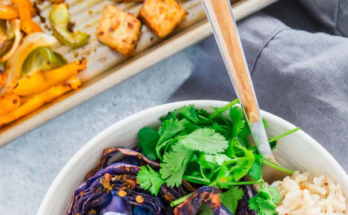
One of the easiest ways to begin is by focusing on fresh, seasonal produce. Vegetables and fruits at their peak not only taste better but also provide essential nutrients that support overall well-being. Incorporating a variety of colors on your plate often leads to a wider range of vitamins and minerals. For example, leafy greens like spinach or kale can be lightly sautéed with garlic, while bright vegetables such as carrots, bell peppers, and zucchini can be roasted to bring out their natural sweetness.
Cooking methods play a major role in keeping meals light. Steaming, grilling, baking, and stir-frying with minimal oil help preserve nutrients while reducing excess fat. Instead of deep frying, try oven-roasting proteins and vegetables with a drizzle of olive oil and a sprinkle of herbs. This technique enhances flavor without overwhelming the dish. Grilling is another excellent option, adding a smoky taste that makes even simple ingredients more appealing.
Protein choices also influence how light a meal feels. Lean proteins such as chicken breast, fish, tofu, and legumes provide essential nutrients without heaviness. Fish like salmon or mackerel can be baked with lemon and herbs for a refreshing and satisfying meal. Plant-based proteins such as lentils and chickpeas are versatile and can be used in soups, salads, or light stews. These options are filling yet easy to digest, making them ideal for everyday cooking.
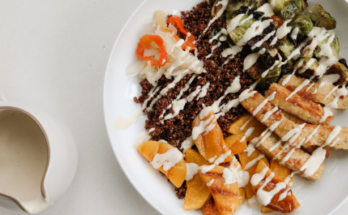
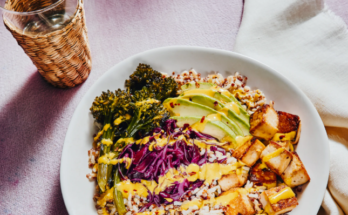
Whole grains are another important component of nutritious meals. Instead of refined grains, consider options like brown rice, quinoa, or whole wheat pasta. These grains provide fiber that supports digestion and helps maintain steady energy levels throughout the day. A simple bowl of quinoa mixed with roasted vegetables and a light dressing can serve as a complete and nourishing meal. The key is to keep portions balanced and avoid heavy sauces that may mask the natural flavors.
Flavor does not need to rely on excessive salt or sugar. Herbs, spices, and natural seasonings can transform a dish without adding unnecessary calories. Fresh herbs such as basil, cilantro, and parsley bring brightness, while spices like turmeric, cumin, and paprika add depth. Citrus juices and zest can enhance flavors in a clean and refreshing way. For example, a squeeze of lime over grilled vegetables or fish can instantly elevate the dish.
Light cooking also benefits from thoughtful meal combinations. Pairing proteins with vegetables and whole grains creates a balanced plate that satisfies hunger and supports nutrition. A grilled chicken salad with mixed greens, avocado, and a light vinaigrette is a great example. It offers protein, healthy fats, and fiber without feeling heavy. Similarly, a vegetable stir-fry with tofu and brown rice provides a comforting yet light meal option.
Another helpful idea is to reduce reliance on processed ingredients. Preparing meals from scratch allows greater control over what goes into your food. Simple homemade sauces using yogurt, herbs, or blended vegetables can replace heavier cream-based alternatives. For instance, a yogurt-based dressing with garlic and lemon can be a refreshing addition to salads or roasted dishes.
Portion awareness is equally important in maintaining a light approach to cooking. Even healthy foods can feel heavy when consumed in large quantities. Serving moderate portions and taking time to enjoy each bite can help create a more satisfying experience. Eating slowly allows the body to recognize fullness, reducing the likelihood of overeating.
Hydration also plays a role in how meals are experienced. Drinking enough water throughout the day supports digestion and overall wellness. Light meals paired with refreshing beverages such as infused water or herbal teas can enhance the dining experience. For example, water infused with cucumber, mint, or citrus slices adds a subtle flavor without added sugars.
Cooking at home provides an opportunity to experiment and discover new combinations. Trying different cuisines can introduce creative ways to prepare light and nutritious meals. Mediterranean-inspired dishes often highlight olive oil, fresh vegetables, and lean proteins, while Asian-inspired recipes may incorporate stir-frying and steaming techniques. Exploring these styles can keep meals interesting and enjoyable.
Planning ahead can make light cooking more convenient. Preparing ingredients in advance, such as washing vegetables or cooking grains, saves time during busy days. Having healthy components ready makes it easier to assemble balanced meals quickly. A pre-cooked batch of quinoa or roasted vegetables can be used in multiple dishes throughout the week.
Snacking can also align with a light and nutritious approach. Choosing options like fresh fruit, yogurt, or a handful of nuts helps maintain energy between meals without adding unnecessary heaviness. These snacks are simple, satisfying, and easy to prepare, making them ideal for busy lifestyles.
Ultimately, light and nutritious cooking is about creating meals that support both physical health and enjoyment. It encourages a mindful approach to ingredients, preparation, and portion sizes. By focusing on freshness, balance, and natural flavors, anyone can build a routine that feels sustainable and rewarding.
This style of cooking does not require perfection. Small changes, such as using less oil, adding more vegetables, or choosing whole grains, can make a meaningful difference over time. The goal is to create meals that leave you feeling energized rather than weighed down. With a bit of creativity and consistency, light and nutritious cooking can become a natural and enjoyable part of everyday life.