Light cooking techniques can transform everyday meals into something enjoyable, nourishing, and easy to prepare without requiring complicated steps or heavy ingredients. Many people today are looking for ways to cook that feel lighter, both in terms of health and effort, while still delivering satisfying flavors. By focusing on simple methods and thoughtful ingredient choices, it becomes possible to create meals that fit comfortably into a busy routine and support a balanced lifestyle.
One of the most approachable techniques is steaming. This method uses water vapor to cook food gently, helping ingredients retain their natural flavor, color, and nutrients. Vegetables such as broccoli, carrots, and green beans respond especially well to steaming, staying vibrant and slightly crisp. Fish and dumplings can also be prepared this way, resulting in tender textures without the need for added fats. A simple steamer basket or even a heatproof plate over simmering water can make this technique accessible in almost any kitchen.
Sautéing is another everyday method that balances speed and flavor. Using a small amount of oil over medium heat, ingredients cook quickly while developing a light golden surface. This approach works well for sliced vegetables, lean proteins, and even grains like cooked rice or quinoa. The key is to avoid overcrowding the pan so that food cooks evenly rather than steaming itself. A touch of garlic, herbs, or citrus can elevate the dish without making it feel heavy.
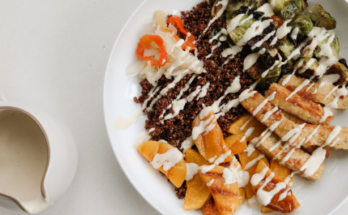
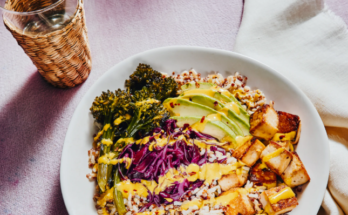
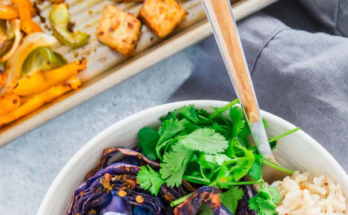
Roasting brings out natural sweetness and depth in many ingredients. By placing food in the oven with a light coating of oil and seasoning, heat surrounds it evenly, creating caramelized edges and rich flavor. Vegetables like sweet potatoes, zucchini, and bell peppers become especially appealing when roasted. Lean proteins such as chicken or tofu can also be prepared this way, offering a satisfying meal with minimal hands-on time. Adjusting the temperature and timing allows for flexibility, making roasting a reliable technique for both beginners and experienced cooks.
Poaching is often overlooked but is one of the gentlest ways to cook. This technique involves simmering food in liquid at a low temperature, keeping textures soft and delicate. Eggs, chicken, and fish are commonly poached, absorbing subtle flavors from broth, herbs, or spices. Because the liquid never reaches a rolling boil, the result is a tender and moist dish that feels light and refined. It is especially useful for those who want to avoid added oils while still achieving a pleasing texture.
Grilling can also be adapted into a lighter cooking method when approached thoughtfully. Using moderate heat and minimal oil, grilling enhances the natural taste of ingredients through a slightly smoky flavor. Vegetables such as asparagus, eggplant, and corn develop appealing grill marks while staying juicy inside. Lean cuts of meat or plant-based proteins can be cooked quickly, reducing the need for heavy sauces. Marinating beforehand with simple ingredients like lemon juice, herbs, and a small amount of oil can add depth without overpowering the dish.
Another useful approach is stir-frying, which is similar to sautéing but often uses higher heat and constant movement. This method is ideal for combining a variety of ingredients into one cohesive meal. By preparing all components in advance, cooking becomes quick and efficient. A small amount of oil is enough to coat the pan, while fresh vegetables, lean proteins, and light sauces come together in minutes. This technique encourages creativity and helps reduce food waste by making use of whatever ingredients are available.
Baking is not limited to sweets and can be a practical way to prepare everyday meals. Dishes like casseroles, grain bakes, or vegetable medleys can be assembled ahead of time and cooked evenly in the oven. Using whole ingredients and moderate seasoning keeps the meal balanced. Baking also allows for portion control and easy storage, making it a convenient choice for those planning meals in advance.
Blanching is a quick technique that involves briefly boiling food and then cooling it rapidly in cold water. This process helps preserve color, texture, and nutrients while slightly softening the ingredients. It is especially useful for vegetables that will be used in salads, stir-fries, or frozen for later use. The result is a fresh, crisp bite that feels clean and light.
Incorporating these techniques into everyday cooking does not require a complete overhaul of habits. Small adjustments, such as reducing excess oil, choosing fresh ingredients, and focusing on natural flavors, can make a noticeable difference. Seasonings like herbs, spices, citrus, and vinegar add brightness without heaviness, allowing each ingredient to shine. Cooking at home also provides control over portion sizes and ingredient quality, which supports a more mindful approach to eating.
Planning ahead can make light cooking even more practical. Preparing ingredients in advance, such as washing and cutting vegetables or marinating proteins, saves time during busy days. Keeping a few versatile staples on hand, like grains, legumes, and frozen vegetables, ensures that a simple meal is always within reach. Combining these elements with one of the techniques mentioned earlier can lead to a wide variety of dishes without requiring extensive effort.
It is also helpful to pay attention to cooking times and temperatures. Overcooking can lead to dry or overly soft textures, while undercooking may not bring out the full flavor of ingredients. Finding the right balance ensures that meals are both enjoyable and satisfying. With practice, these adjustments become intuitive, making the cooking process more relaxed and enjoyable.
Light cooking techniques are not about restriction but about finding a comfortable and sustainable way to prepare food. They encourage a focus on freshness, simplicity, and balance, which can make everyday meals feel more inviting. By exploring different methods and adapting them to personal preferences, anyone can develop a style of cooking that fits seamlessly into daily life.
Over time, these approaches can build confidence in the kitchen and inspire creativity. Trying new combinations of ingredients or experimenting with different seasonings keeps meals interesting without adding complexity. The goal is not perfection but consistency and enjoyment, creating dishes that nourish both body and routine.
In the end, light cooking is about making thoughtful choices that support well-being while keeping meals approachable and flavorful. By using gentle techniques and focusing on natural ingredients, everyday cooking can become a satisfying part of daily life rather than a task to manage.