Eating well does not have to mean giving up flavor or satisfaction. In fact, some of the most enjoyable meals come from cooking methods that preserve natural taste while keeping dishes light and nourishing. By choosing the right techniques, it is possible to prepare food that supports overall well-being without feeling restrictive or complicated. Understanding how different cooking methods affect ingredients can make a meaningful difference in both nutrition and enjoyment.
One of the most effective ways to keep meals light is steaming. This gentle method uses hot vapor to cook food without the need for added fats. Vegetables, fish, and even certain grains respond especially well to steaming because it helps retain their natural color, texture, and nutrients. Unlike boiling, which can cause vitamins to leach into the water, steaming keeps most of the beneficial compounds intact. The result is food that tastes fresh and clean, with a naturally appealing appearance.
Another approach that supports nutritious eating is grilling. Whether using an outdoor grill or an indoor grill pan, this method allows excess fat to drip away from the food during cooking. Lean proteins like chicken, fish, or plant-based alternatives develop a rich, smoky flavor without requiring heavy sauces or oils. When combined with herbs, spices, or citrus-based marinades, grilling can produce satisfying meals that feel indulgent while remaining balanced.
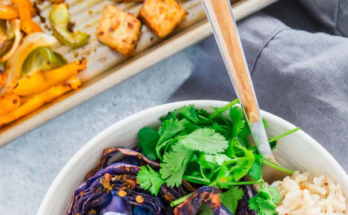
Baking is also a versatile option for those seeking lighter meals. By using dry heat in an oven, it is possible to cook a wide variety of foods evenly without relying on large amounts of oil. Baking works particularly well for dishes like roasted vegetables, whole-grain casseroles, and lean proteins. Choosing the right temperature and cooking time helps maintain moisture and flavor, preventing food from becoming dry. Adding natural seasonings such as garlic, herbs, or a touch of olive oil can enhance taste without making the dish heavy.
Stir-frying offers a quick and flavorful way to prepare meals while keeping them nutritious. This method uses high heat and minimal oil to cook ingredients rapidly, preserving both texture and nutrients. A well-prepared stir-fry often includes a colorful mix of vegetables, lean protein, and a light sauce made from simple ingredients like soy sauce, ginger, or garlic. Because the cooking time is short, vegetables remain crisp and vibrant, making the dish both visually appealing and satisfying.
Poaching is another gentle cooking method that is often overlooked. It involves cooking food in a liquid at a relatively low temperature, which helps maintain tenderness and prevents the need for added fats. Eggs, fish, and fruits are commonly poached, resulting in dishes that are delicate yet full of flavor. Using broth, herbal infusions, or lightly seasoned water can subtly enhance the taste without overwhelming the natural qualities of the ingredients.
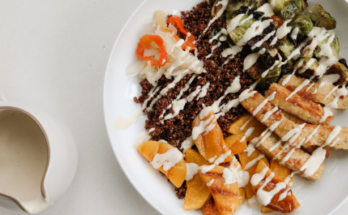
Roasting, when done thoughtfully, can also be part of a light and nutritious approach to cooking. By using moderate amounts of oil and focusing on whole ingredients, roasting can bring out deep flavors through caramelization. Vegetables like carrots, zucchini, and sweet potatoes develop a natural sweetness, while proteins can achieve a satisfying outer texture. The key is moderation and balance, ensuring that added fats do not overshadow the overall healthfulness of the dish.
Boiling, although simple, can still play a role in healthy cooking when used appropriately. It is particularly useful for foods like legumes, whole grains, and certain vegetables. To maximize nutritional value, it is helpful to use minimal water and avoid overcooking. Incorporating the cooking liquid into soups or sauces can help retain nutrients that might otherwise be lost. This approach reduces waste while enhancing flavor and nourishment.
Using modern techniques such as air frying has become increasingly popular for those seeking lighter alternatives to traditional frying. Air fryers circulate hot air to create a crispy texture similar to deep frying but with significantly less oil. This method can be used for a variety of foods, including vegetables, lean proteins, and whole-grain snacks. The result is a satisfying crunch without the heaviness often associated with fried foods.
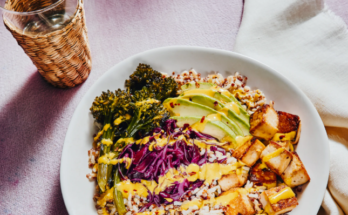
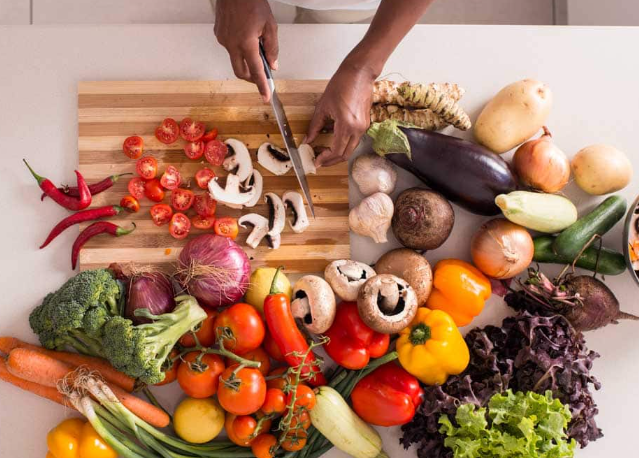
In addition to choosing the right cooking methods, ingredient selection plays an important role in creating nutritious meals. Fresh produce, whole grains, lean proteins, and healthy fats form the foundation of balanced cooking. Pairing these ingredients with lighter techniques enhances their natural qualities rather than masking them. Simple seasoning, such as herbs, spices, and citrus, can add depth and brightness without relying on excessive salt or sugar.
Mindful cooking also involves paying attention to portion sizes and overall balance. Even healthy foods can become less beneficial when consumed in excess. By focusing on variety and moderation, it is easier to create meals that are both satisfying and supportive of long-term well-being. Combining different cooking methods within a single meal can add interest and ensure a range of textures and flavors.
It is also important to consider food safety and proper handling when preparing meals. Ensuring that ingredients are cooked to appropriate temperatures and stored correctly helps maintain quality and reduces the risk of foodborne issues. Clean preparation areas and thoughtful cooking practices contribute to a positive and safe dining experience.
Light and nutritious cooking does not require advanced skills or expensive equipment. With a basic understanding of techniques and a willingness to experiment, anyone can create meals that are both enjoyable and nourishing. Small changes, such as using less oil, incorporating more vegetables, or trying a new cooking method, can have a lasting impact over time.
Ultimately, the goal of light cooking is not restriction but balance. It is about finding ways to enjoy food while supporting overall health and well-being. By focusing on simple, effective methods and high-quality ingredients, it becomes possible to create meals that are satisfying, flavorful, and aligned with a healthy lifestyle.