Cooking is a daily activity that shapes not only what we eat but also how we live. Developing smart cooking habits can save time, reduce waste, improve nutrition, and make meals more enjoyable. Rather than treating cooking as a chore, it can become a practical and even satisfying part of everyday life when approached with the right mindset and techniques.
One of the most effective habits is planning ahead. Taking a little time to think about meals for the week helps avoid last-minute stress and unhealthy choices. When meals are planned, grocery shopping becomes more focused, which reduces impulse buying and ensures that ingredients are used efficiently. Planning also allows for balanced meals that include a variety of nutrients, supporting overall well-being.
Another helpful habit is keeping the kitchen organized. A clean and orderly space makes cooking more efficient and enjoyable. When ingredients, utensils, and cookware are easy to find, preparation becomes smoother and less time-consuming. Simple practices like washing dishes while cooking or tidying up after each step can prevent clutter from building up. Over time, this habit creates a more pleasant environment that encourages regular home cooking.
Learning basic cooking techniques is also important. Simple skills such as chopping vegetables properly, seasoning food thoughtfully, and understanding cooking times can greatly improve the quality of meals. These skills do not require professional training but can be developed gradually through practice. As confidence grows, cooking becomes less intimidating and more creative.
Using fresh and seasonal ingredients is another smart habit. Fresh ingredients often have better flavor and nutritional value. Seasonal produce is usually more affordable and widely available, making it a practical choice. Incorporating these ingredients into daily meals can enhance taste while supporting a more balanced diet. Even small changes, like adding fresh herbs or choosing ripe fruits, can make a noticeable difference.
Portion control is an often overlooked aspect of cooking. Preparing the right amount of food helps prevent overeating and reduces waste. It is helpful to understand how much is needed for each meal and to adjust recipes accordingly. Leftovers can still be valuable, but cooking with intention ensures that food is used efficiently rather than discarded.
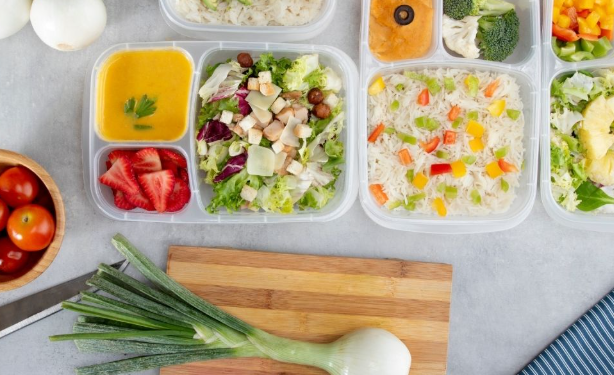
Batch cooking is another useful strategy. Preparing larger quantities of food at once can save time during busy days. Meals can be stored and reheated when needed, providing convenient and home-cooked options without extra effort. This habit is especially helpful for individuals with demanding schedules, as it reduces reliance on less nutritious alternatives.
Mindful use of ingredients contributes to smarter cooking. This includes using all parts of an ingredient whenever possible, such as vegetable stems or leftover grains. Creative reuse of ingredients not only reduces waste but also encourages experimentation in the kitchen. For example, leftover vegetables can be turned into soups or stir-fries, while cooked grains can be repurposed into new dishes.
Another important habit is maintaining food safety. Proper storage, handling, and cooking temperatures help prevent foodborne issues. Keeping raw and cooked foods separate, washing hands regularly, and storing perishable items correctly are simple yet essential practices. These habits protect both health and the quality of meals.
Time management plays a significant role in daily cooking. Setting aside specific times for preparation and cooking can make the process more manageable. Even small actions, like prepping ingredients in advance or marinating food ahead of time, can save valuable minutes during busy hours. Efficient use of time allows cooking to fit seamlessly into daily routines.
Experimentation is a habit that keeps cooking interesting. Trying new recipes, flavors, or cooking methods can expand skills and prevent meals from becoming repetitive. This does not require complex ingredients or techniques. Simple variations, such as changing spices or combining different foods, can create new experiences. Over time, this habit builds creativity and confidence in the kitchen.
Listening to your own preferences is equally important. Cooking should reflect individual tastes and needs. Paying attention to what feels satisfying and nourishing helps guide better choices. This personal approach makes cooking more enjoyable and sustainable in the long term.
Energy efficiency is another consideration in smart cooking. Using the right cookware, matching pot sizes to burners, and avoiding unnecessary heat can reduce energy use. Simple actions like covering pots while boiling or turning off heat slightly before food is fully cooked can make a difference. These habits not only save energy but also contribute to a more mindful approach to cooking.
Keeping a well-stocked pantry supports consistent cooking habits. Having essential items such as grains, spices, oils, and canned goods makes it easier to prepare meals without frequent shopping trips. A thoughtfully stocked pantry provides flexibility and ensures that basic ingredients are always available.
Hydration and balance should also be part of cooking habits. Preparing meals that include a variety of food groups helps support overall health. Incorporating vegetables, proteins, and whole grains creates balanced dishes that provide sustained energy throughout the day. Cooking at home allows greater control over ingredients, making it easier to maintain this balance.
Finally, developing a positive mindset toward cooking can transform the experience. Viewing cooking as an opportunity rather than an obligation encourages consistency. Even simple meals can be meaningful when prepared with care. Over time, these habits become part of daily life, making cooking feel natural and rewarding.
Smart cooking habits are not about perfection but about making thoughtful choices that fit into everyday routines. By planning ahead, staying organized, learning basic skills, and using resources wisely, cooking becomes easier and more enjoyable. These habits support a healthier lifestyle while also saving time and reducing waste. With consistency and a willingness to learn, anyone can build a practical and satisfying approach to daily cooking.